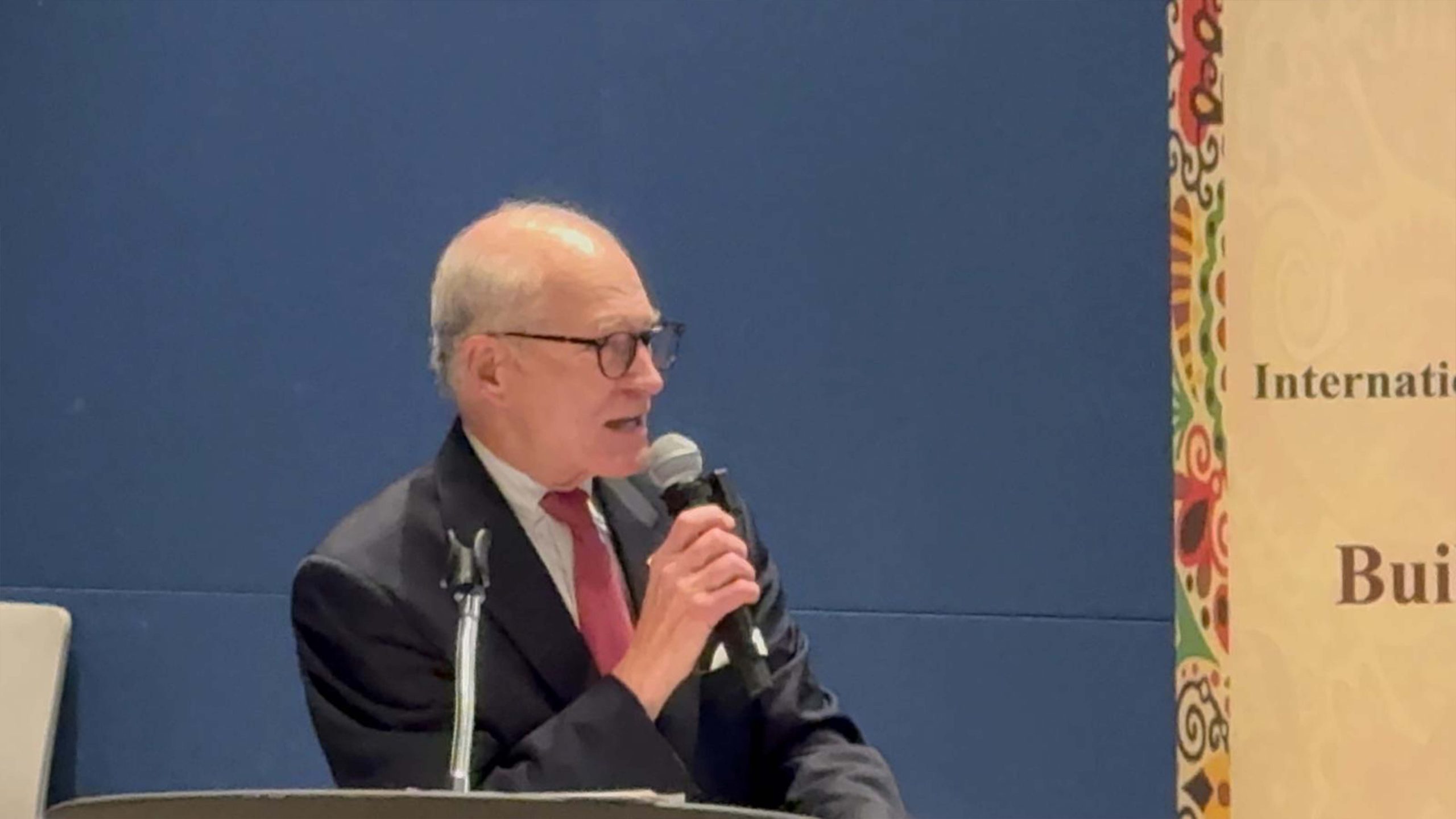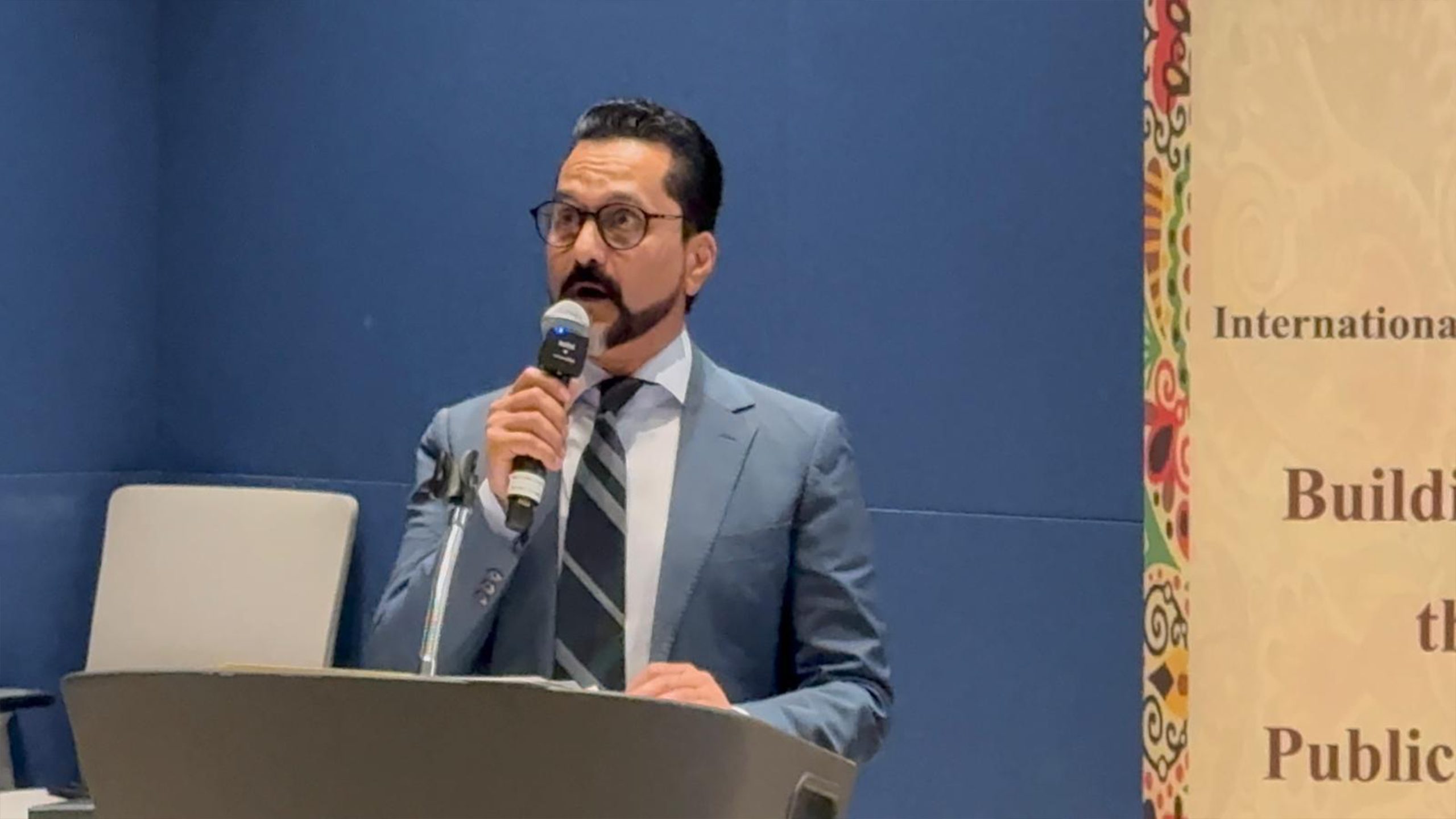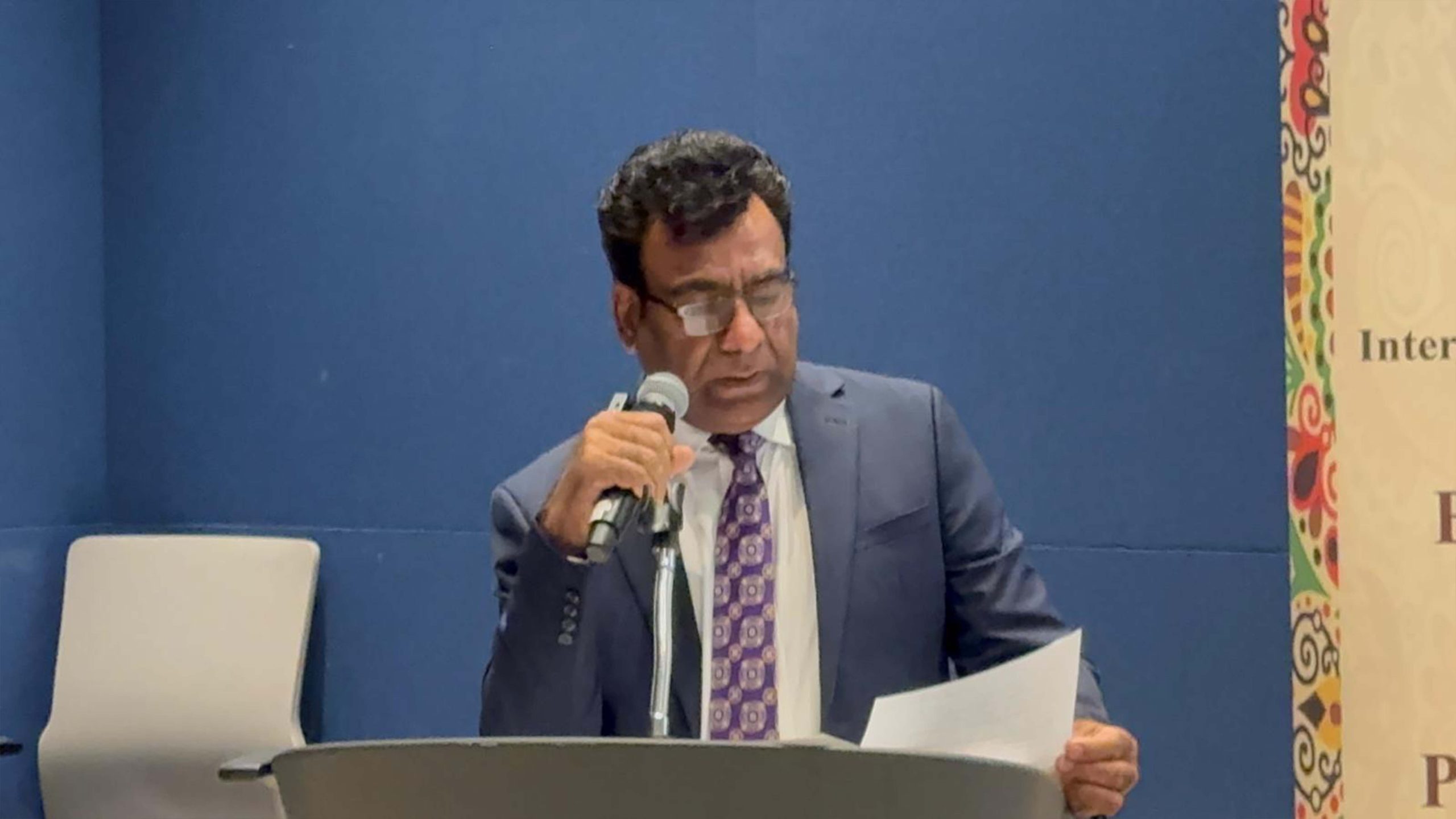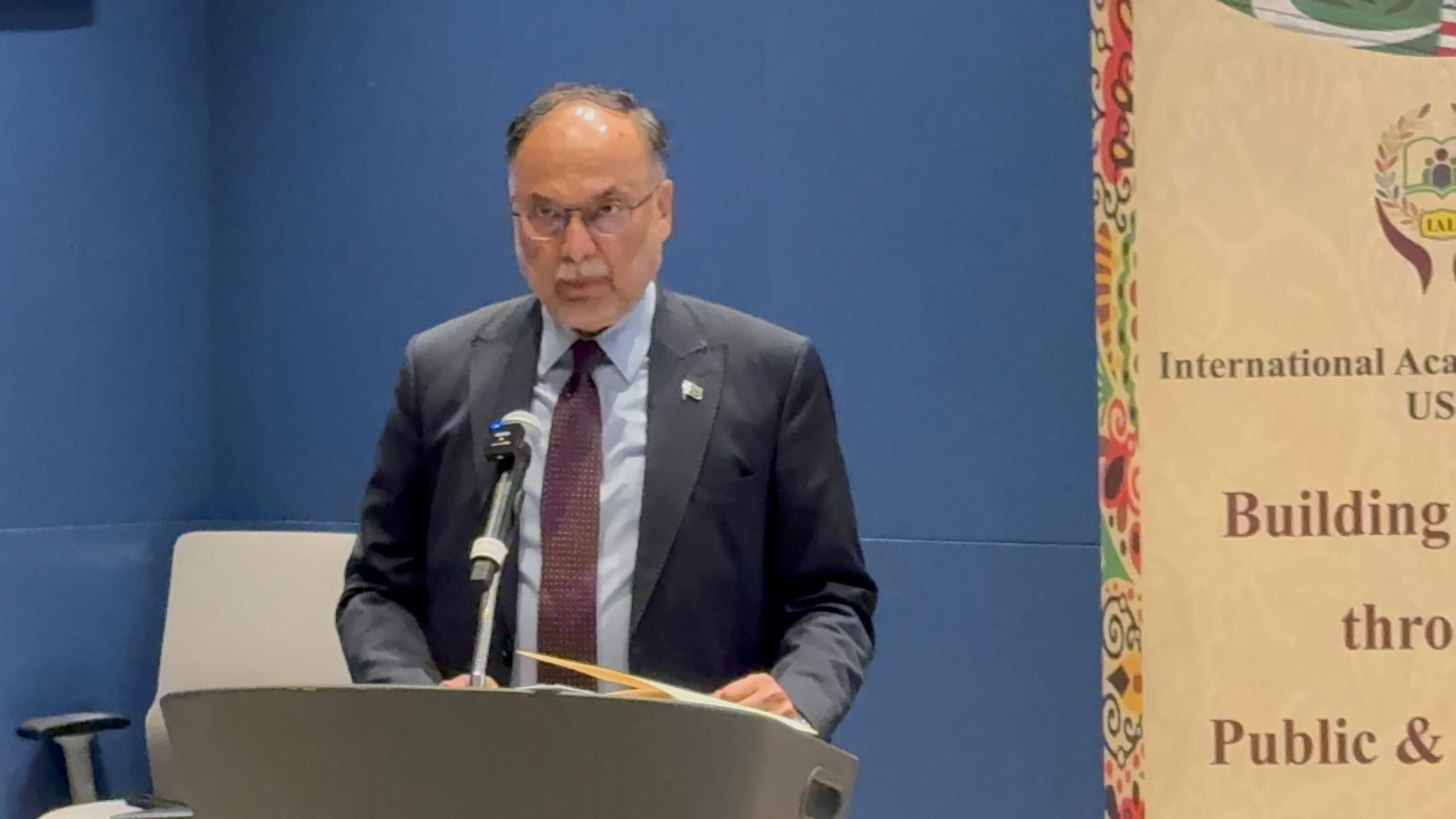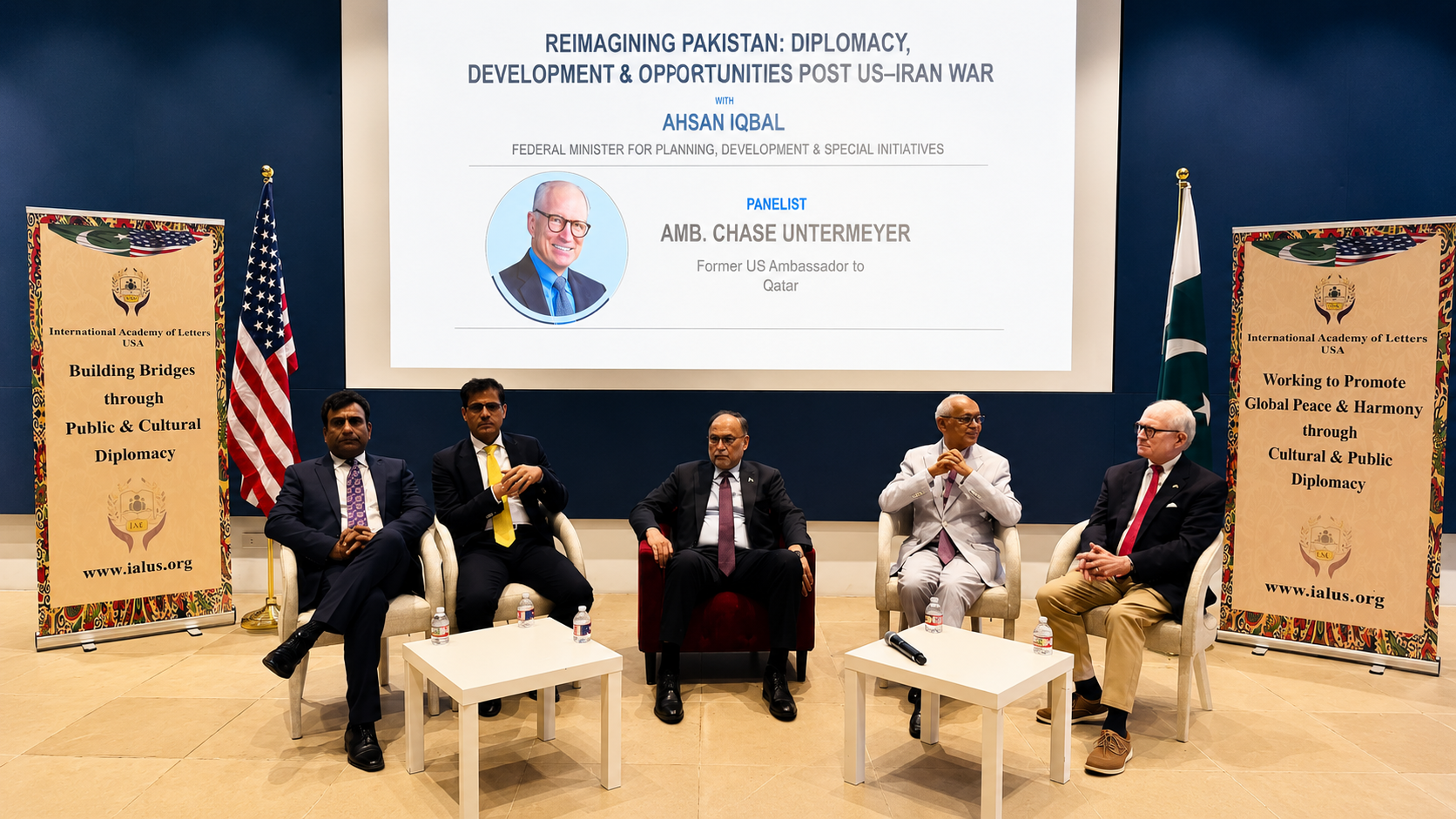
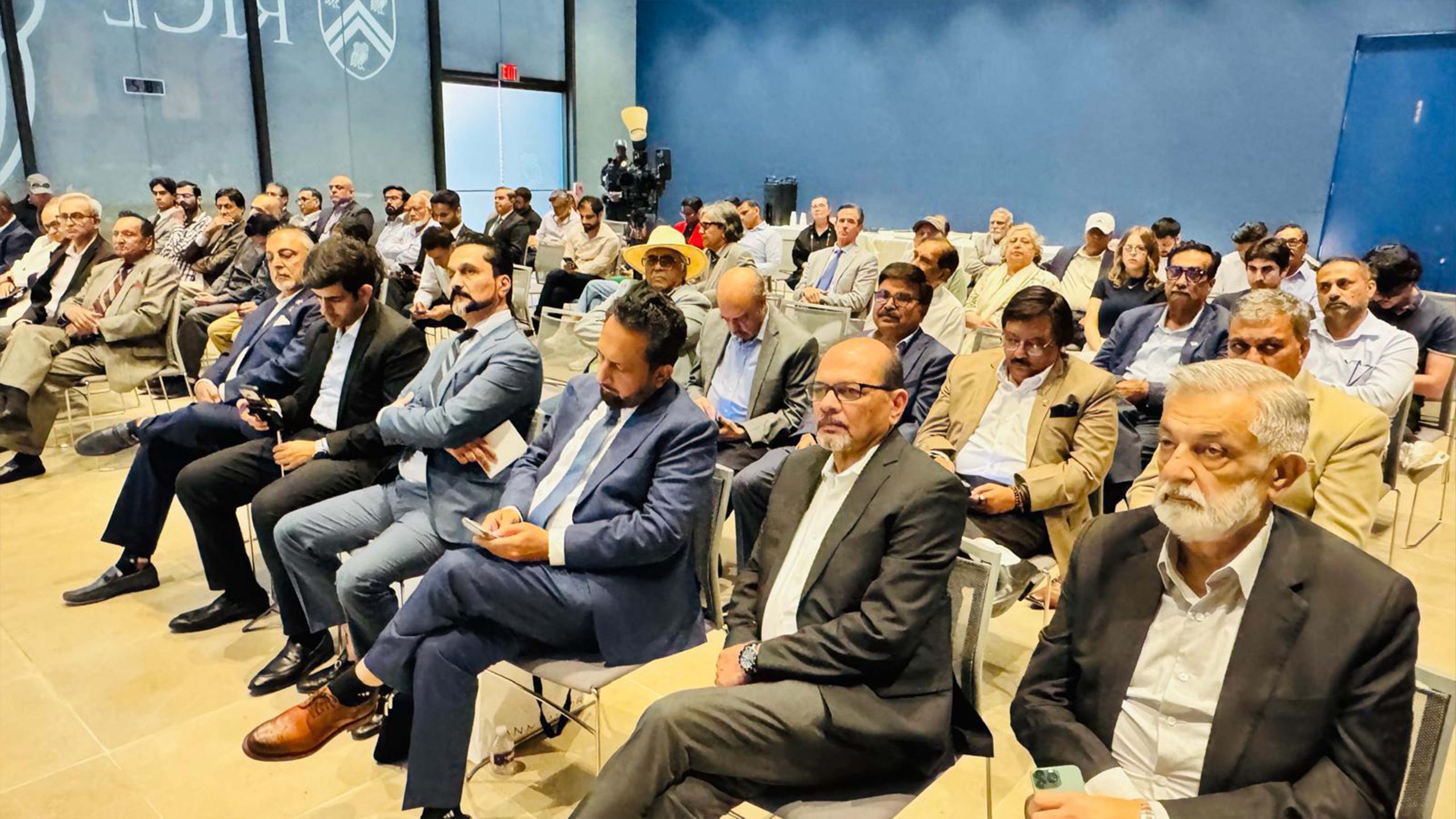
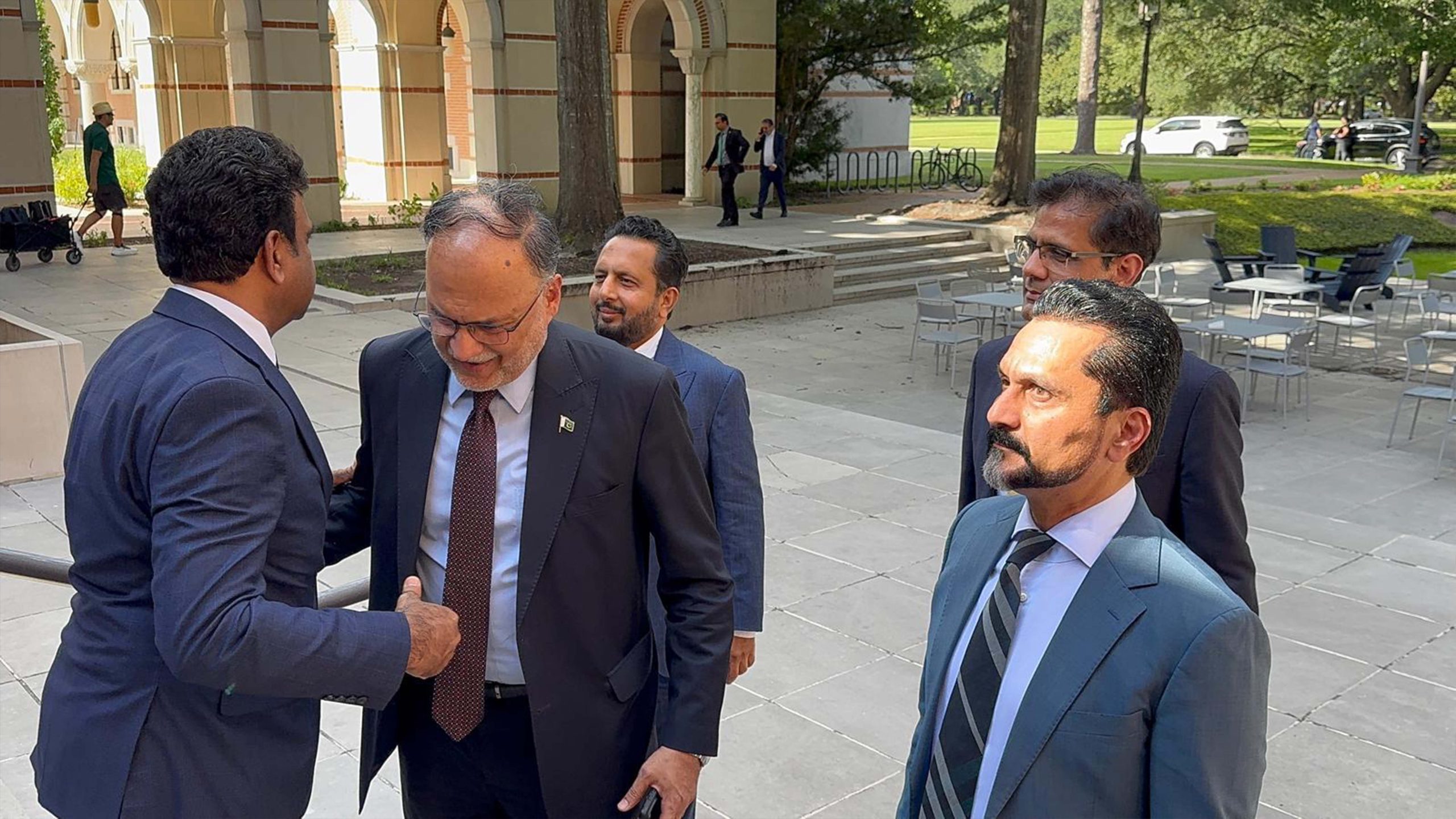
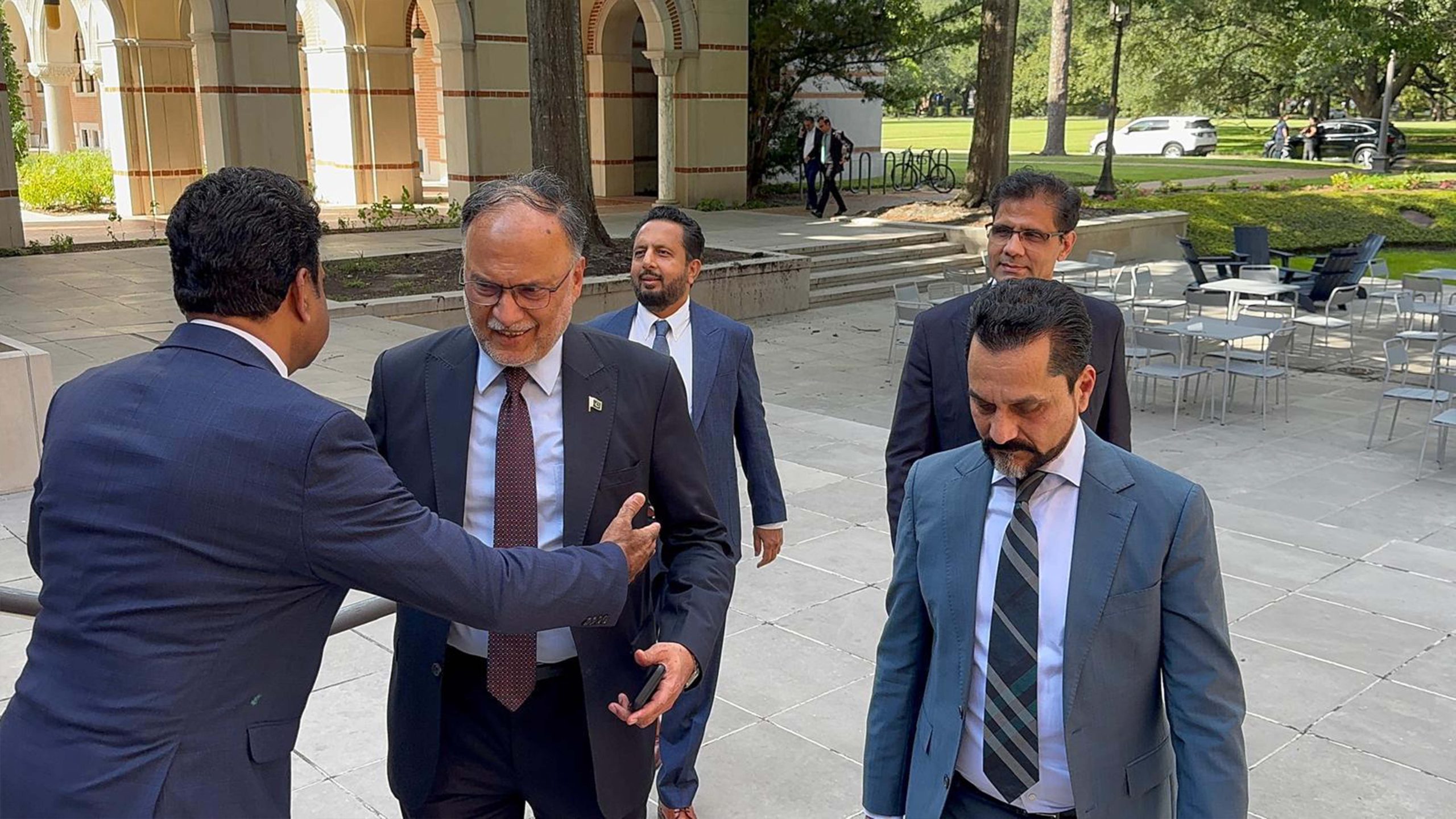
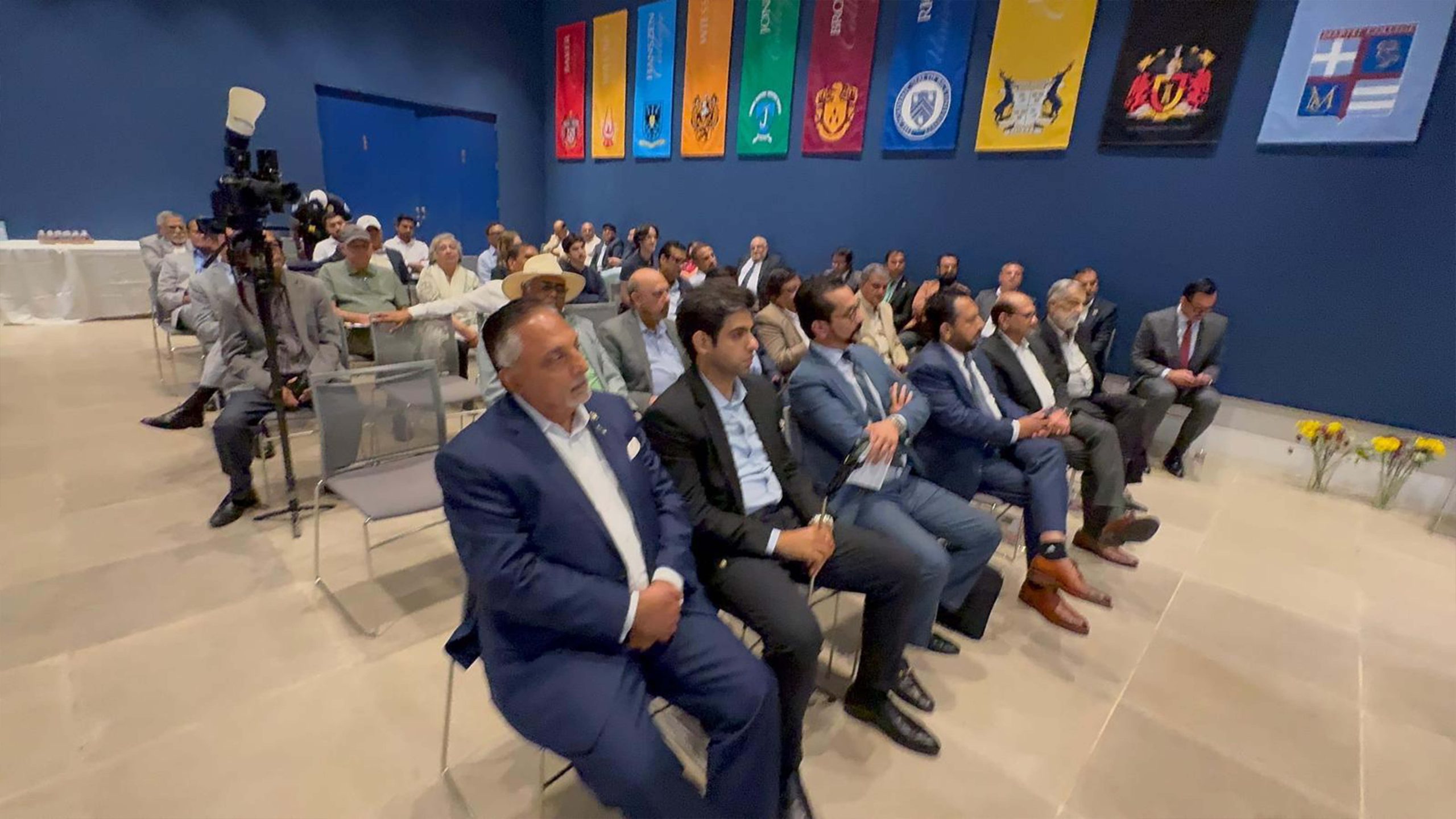
HOUSTON, Texas: The International Academy of Letters (IAL) USA, in collaboration with Rice University, hosted a distinguished policy dialogue titled “Reimagining Pakistan: Diplomacy, Development, and Opportunities Post US-Iran War” at Rice University’s Welcome Center in Houston. The event brought together diplomats, policymakers, community leaders, academics, and members of the Pakistani-American community for an insightful discussion on Pakistan’s evolving role in a rapidly changing global landscape.
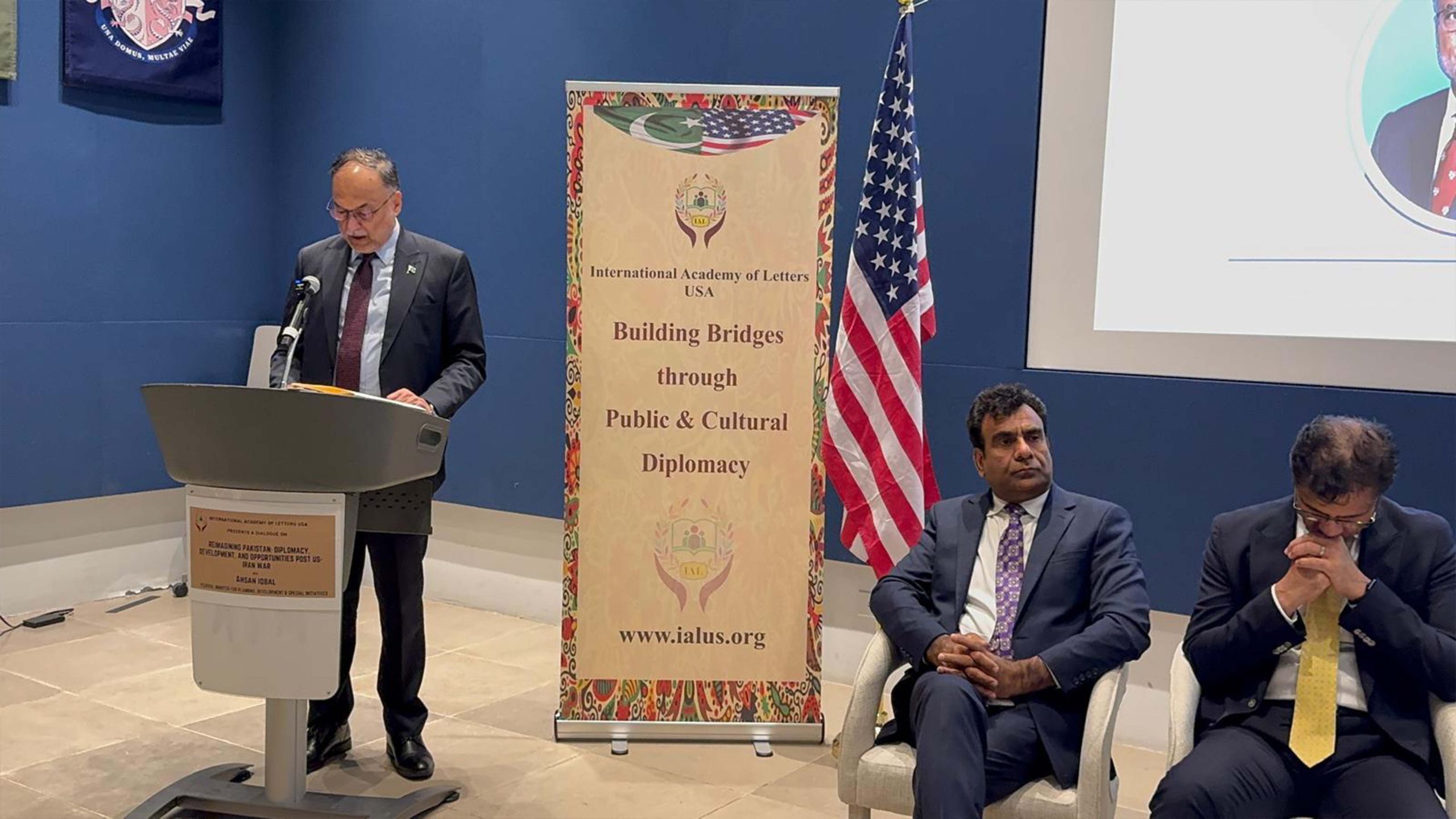
The keynote address was delivered by Federal Minister for Planning, Development & Special Initiatives, Prof. Ahsan Iqbal, who outlined Pakistan’s vision for economic growth, technological advancement, educational reforms, and regional cooperation. He emphasized the importance of strategic planning, investment in human capital, innovation, and strengthening international partnerships to position Pakistan as a competitive economy in the years ahead.
Ahsan Iqbal highlighted the country’s commitment to sustainable development, digital transformation, and expanding opportunities in sectors such as higher education, artificial intelligence, infrastructure, and technology. He also discussed the geopolitical implications of recent regional developments and the need for balanced diplomacy to promote peace, stability, and economic prosperity.
The event opened with remarks by Ambassador Sada Cumber, former U.S. Special Envoy to the Organization of Islamic Cooperation (OIC), who stressed the importance of stronger people-to-people ties, educational collaboration, and constructive engagement between Pakistan and the United States.




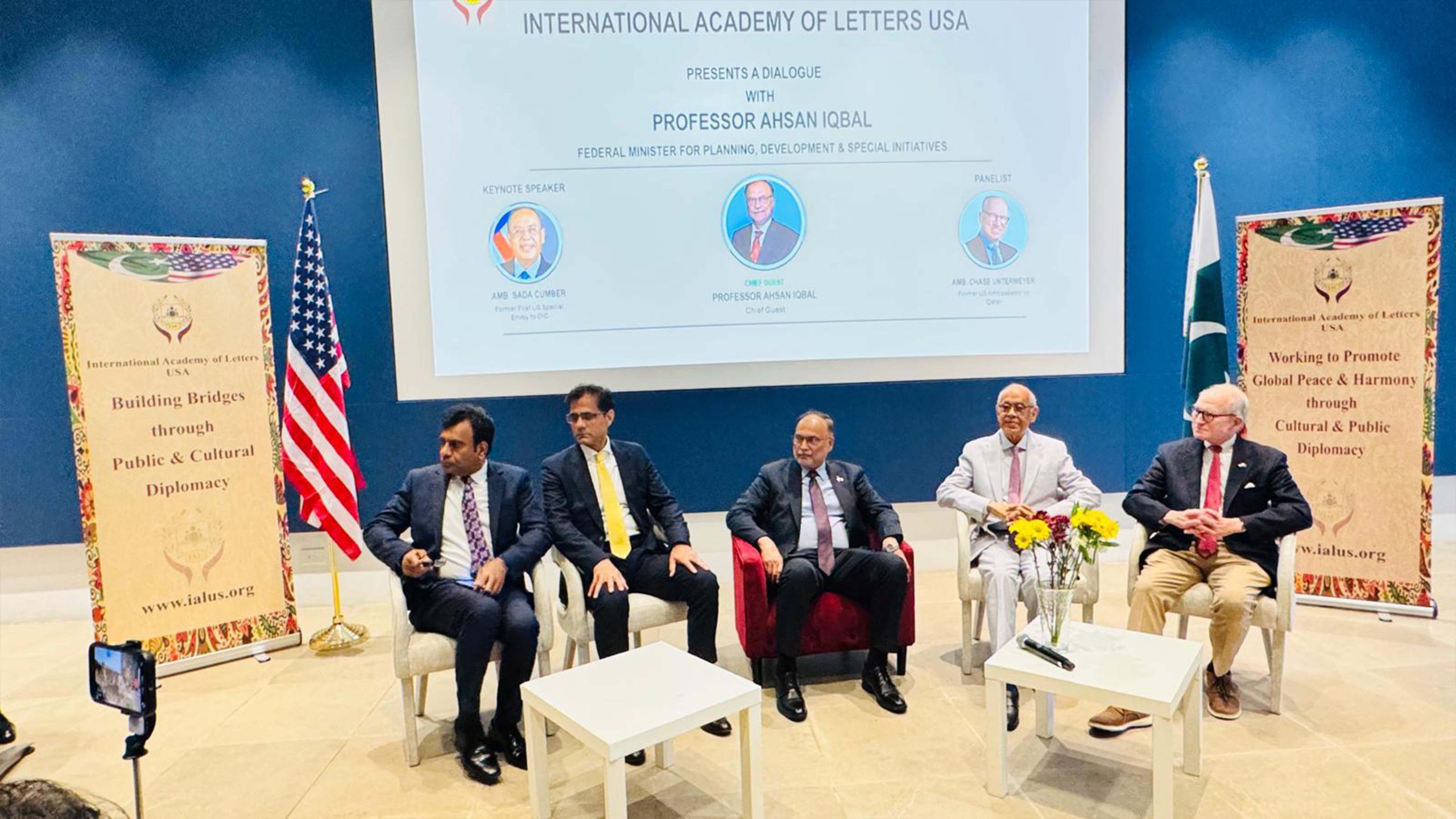

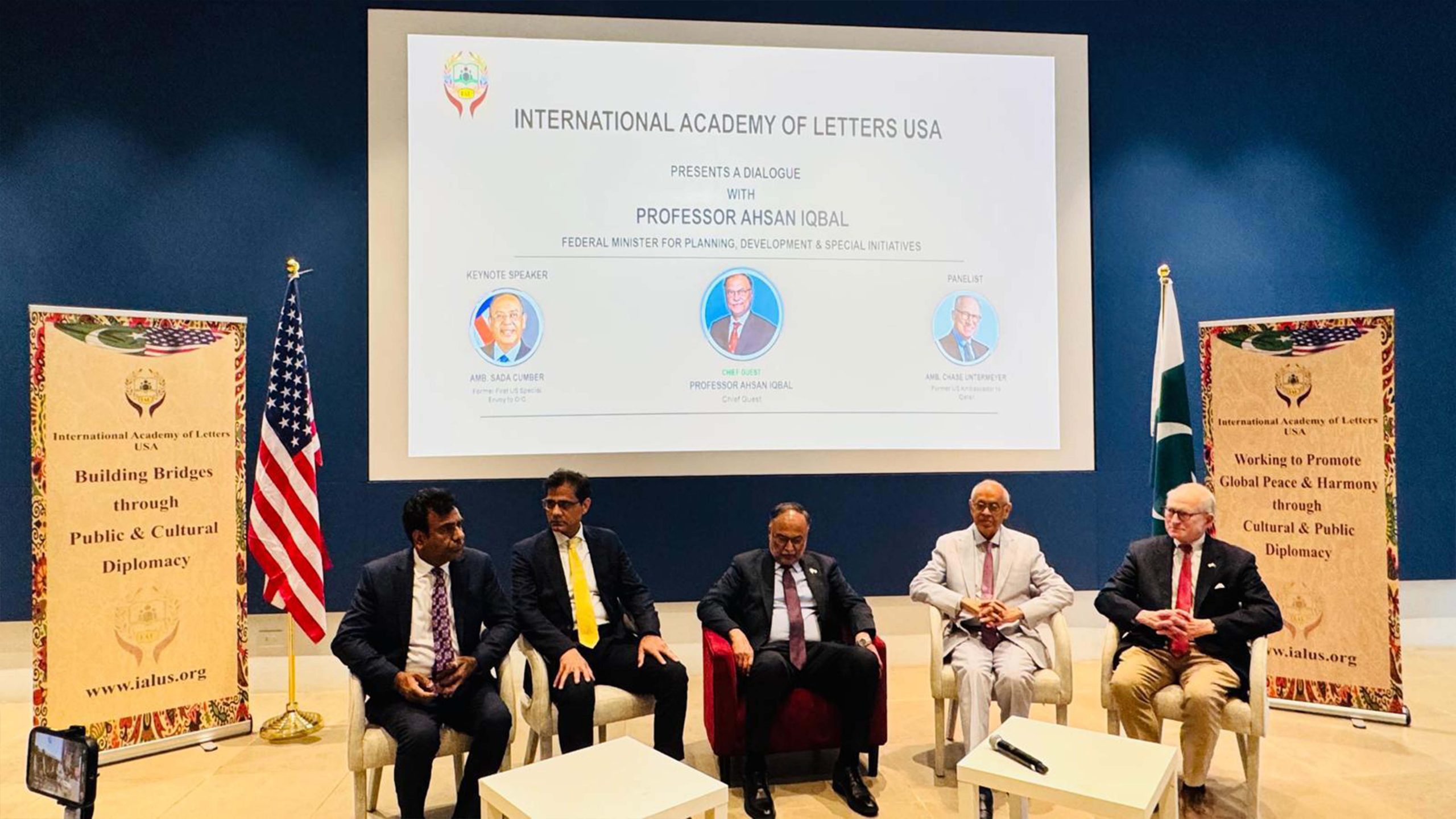

The panel discussion featured Ambassador Chase Untermeyer, former U.S. Ambassador to Qatar, who shared his perspective on diplomacy, regional security, and the opportunities available for enhanced U.S.-Pakistan cooperation in the changing geopolitical environment.
Among the distinguished speakers was Democratic leader Tahir Javed, who also addressed the audience. In his remarks, Javed highlighted the significant contributions of the Pakistani-American community to the United States and emphasized the importance of strengthening bilateral relations through dialogue, civic engagement, business partnerships, and educational exchange. He encouraged greater collaboration between the diaspora and Pakistan to promote economic development, investment, and mutual understanding.
The program was hosted by Ghazanfar Hashmi, who moderated the discussion and facilitated an engaging exchange of ideas among the speakers and attendees.
Throughout the event, participants explored Pakistan’s diplomatic priorities, economic opportunities, regional challenges, and the role of overseas Pakistanis in supporting national development. The discussion underscored the value of academic institutions and international forums in fostering meaningful dialogue on global issues.
The gathering concluded with a question-and-answer session, allowing attendees to engage directly with the distinguished speakers on issues ranging from foreign policy and investment opportunities to education, innovation, and Pakistan’s future development strategy.
The event served as an important platform for promoting informed dialogue, strengthening international partnerships, and encouraging collaboration between policymakers, scholars, business leaders, and the Pakistani-American community.